Why Autonomous Vehicle Testing Needs a Shift Left
Why Autonomous Vehicle Testing Needs a Shift Left
The industry faces a stark reality: developing safe autonomous systems requires billions of test miles, yet a single failure can destroy years of progress.
It takes billions of miles to make an autonomous vehicle, but it can take one bad mile to ruin it. This paradox drives the industry’s most pressing problem – how to test comprehensively without risking catastrophic real-world failures.
The traditional approach is painfully slow. Engineers wait days or weeks to understand how code changes affect vehicle performance. They book track time, deploy safety drivers, and run physical tests that capture a fraction of possible scenarios.
“If your code took days to weeks to compile, you would not be able to develop very good software.”
The Data-Driven Solution
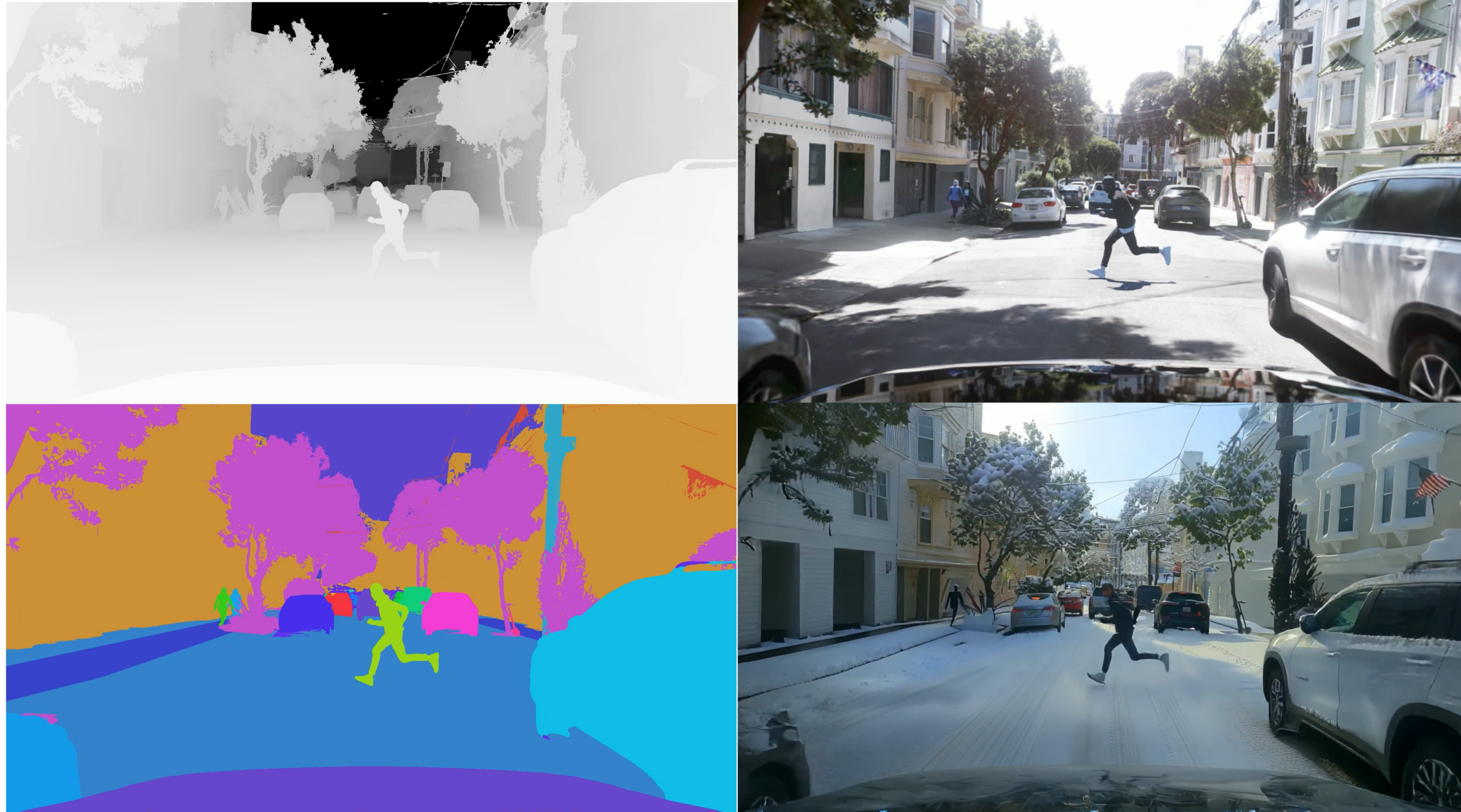
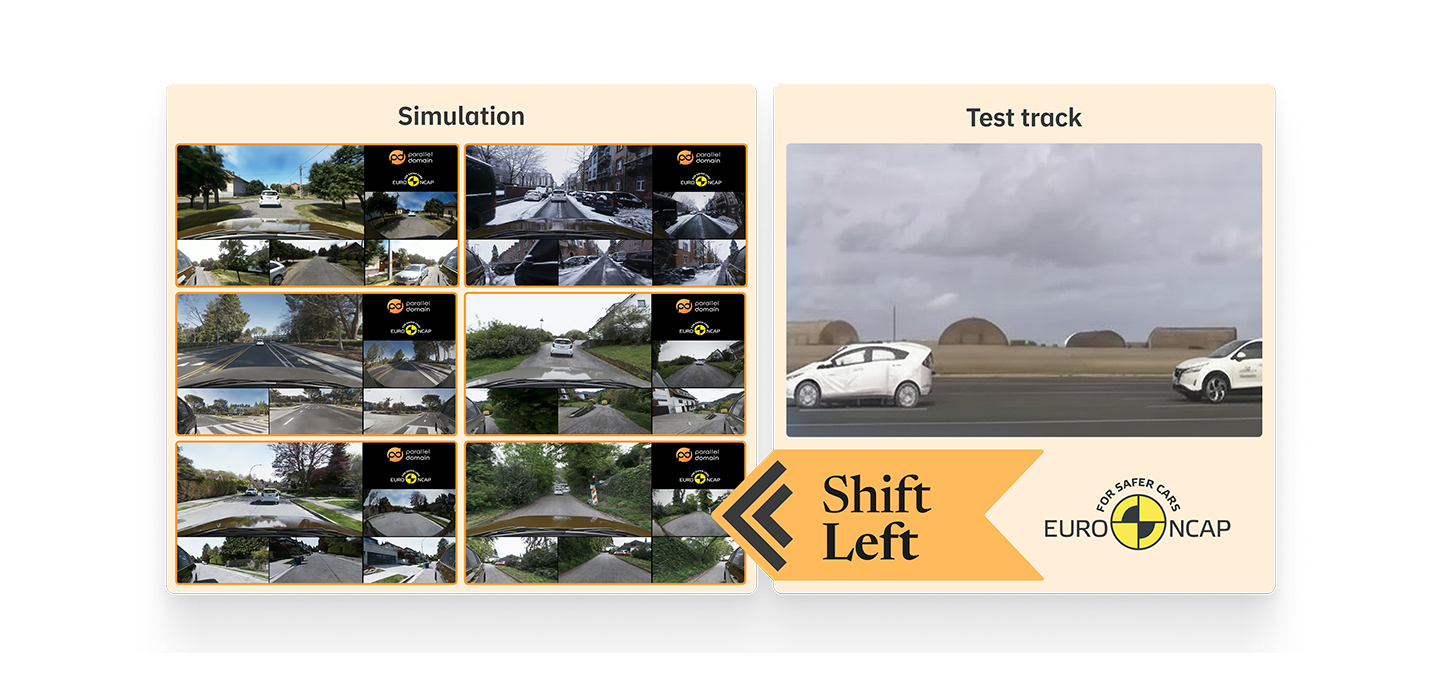
The industry’s response involves using cutting-edge reconstruction software to turn real data into digital twin simulations, from San Francisco streets to Michigan’s Mcity test track. These “digital twins” use data from actual drives to reconstruct environments complete with physics, lighting, and semantic information. Engineers then resimulate not only the captured drive, but thousands of scenario variations that would be impossible or dangerous to test physically.
The technology leap is dramatic. Earlier simulators relied on procedurally generated computer graphics that were difficult to scale and lacked realism to work for training. Today’s data-driven approach produces simulations so realistic that distinguishing synthetic from real images becomes nearly impossible.
Test Without Leaving Your Desk
The practical impact transforms development workflows. Engineers can now insert jaywalkers into empty street recordings, generate hundreds of lane-change variations, or test emergency vehicle responses, all programmatically controlled.
“Physical testing typically stops when the track closes. Simulation never sleeps.”
Teams run regression tests overnight, receiving comprehensive performance evaluations by morning. Some companies integrate simulation into continuous integration pipelines, blocking code merges that fail virtual safety tests.
The Shift Left Opportunity
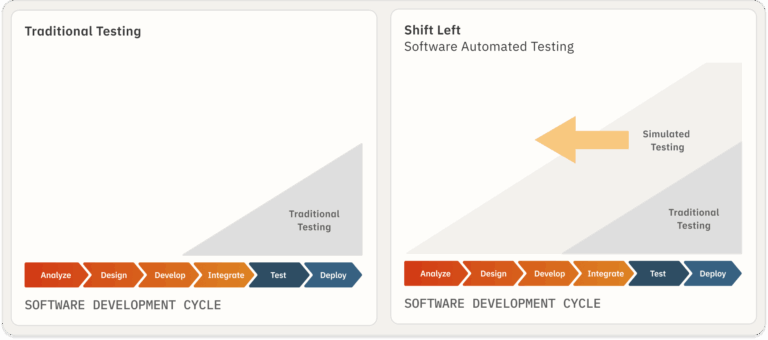
The approach represents a fundamental methodology change called “shift left”- moving testing from late-stage validation to continuous, early-stage development. Instead of discovering problems during expensive track testing, teams identify and fix issues in simulation first.
The economics are compelling. Where traditional development might achieve one iteration in weeks, simulation enables hundreds in the same timeframe. Companies aren’t replacing physical testing, they’re augmenting it. Virtual testing handles the bulk of scenario exploration and regression detection, while physical validation confirms real-world performance.
Critical Questions Remain
The correlation between simulated and real-world performance remains crucial. Companies address this by comparing system behavior on actual drive logs against simulated recreations of those exact scenarios, building statistical confidence over thousands of tests.
Software-augmented testing is more important than pure simulation to overcome any domain gaps. The goal isn’t eliminating road testing but ensuring problems surface in simulation first.
For an industry where safety margins must approach perfection, the ability to test catastrophic scenarios safely, repeatedly, and at scale may determine which companies successfully deploy autonomous systems, and which become cautionary tales about that “one bad mile.”